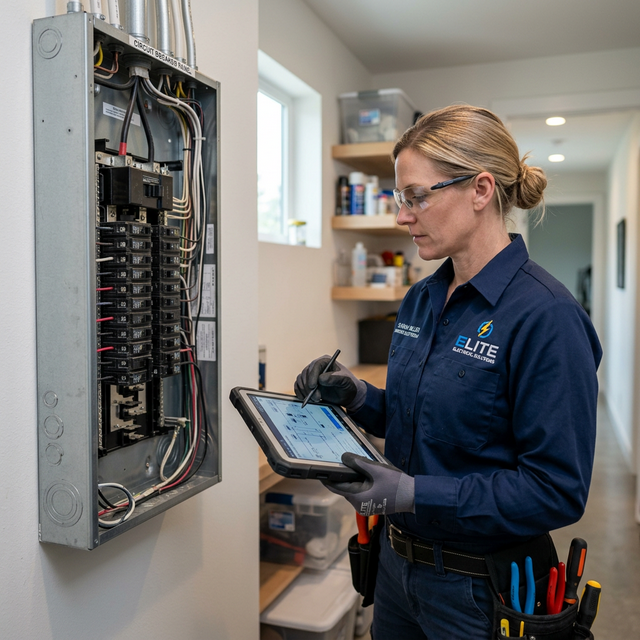
Having an Electrical Installation Condition Report (EICR) carried out is standard practice when buying, selling, or renting a home. But when the electrician hands you a report filled with alphanumeric codes, it can look like absolute gibberish.
Decoding the EICR severity codes
Electricians use strict BS 7671 wiring regulations to grade faults. Here is exactly what they mean:
Code C1: Danger Present
This is the most severe code. It means there is an immediate risk of injury or fire. For example, exposed live wires or terminals. The electrician will normally insist on making this safe before they even leave the property.
Code C2: Potentially Dangerous
While not an immediate threat to life, a C2 fault needs urgent remedial action. A classic example is a lack of earth protection on a metal light switch, or sockets that don't have RCD protection. An EICR will be classed as 'Unsatisfactory' if there are any C1 or C2 codes.
Code C3: Improvement Recommended
A C3 indicates that a part of your installation doesn't meet current modern standards, but isn't actively dangerous. You don't have to fix a C3 fault to pass the report, but it's highly advised you budget for it eventually.
If you're a landlord facing a failed EICR, don't delay. Sourcing quotes from vetted local electricians to clear the C2 faults is the only way to get your property legally compliant.